Red blood cells play a vital role in our body's overall health,supporting immunity and protecting against various diseases. There unique anatomy allows them to perform their functions effectively.
 |
| Red blood cells |
Explain how red blood cells support immunity and protect against disease
Key Takeaways
- Red blood cells are crucial for supporting immunity.
- Their unique anatomy enables them to perform their functions effectively.
- Red blood cells play key roll in disease provention
- Understanding their anatomy is essential for appreciating their importance
- The structure of red blood cells is designed for flexibility and durability.
The Fundamental Structure of Red Blood Cells
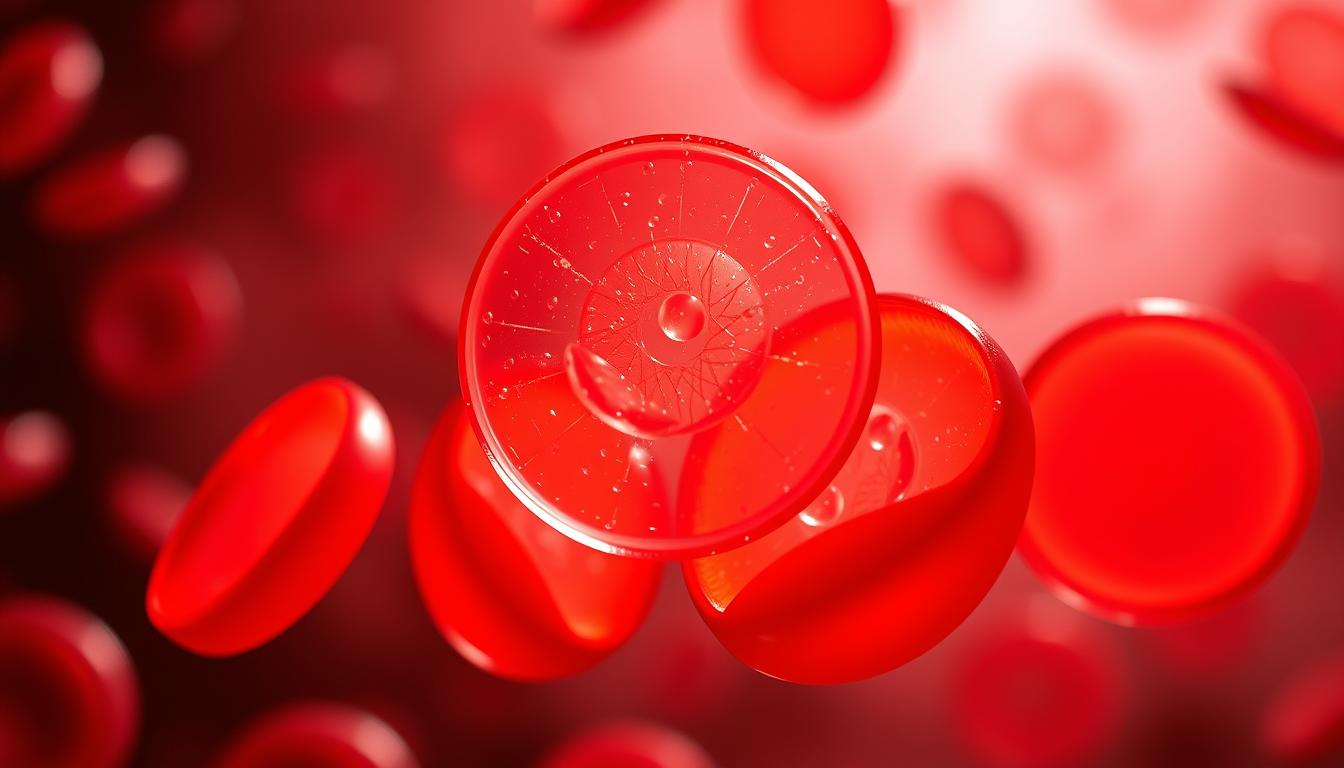
Red blood cells are characterized by their distinctive biconcave shape, a feature that significantly enhances their functionality. This unique shape allows red blood cells to maximize their surface area facilitating the exchange of gases, particularly oxygen and carbon dioxide between the blood and tissues.
Unique Biconcave Shape and Its Significance
The biconcave disk shape of red blood cells is crucial for their function. This shape is not merely a morphological curiosity; it serves several critical purposes.
How This Shape Maximizes Surface Area
The biconcave shape increases the cell's surface area relative to it's volume, enhancing the effusion of oxygen across the cell membrane.This is vital for the cell's primary roll in oxygen transport.By maximizing surface area,red blood cells can more efficiently release oxygen to tissues and absorb carbon dioxide.
Flexibility for Navigating Small Blood vessels
The biconcave shape also contributes to the cell's flexibility, allowing it to deform and pass through narrow capillaries. This flexibility is essential for red blood cells to navigate the circulatory system, ensuring that oxygen is delivered to even the most remote tissues. capillaries. This flexibility is essential for red blood cells to navigate the circulatory system, ensuring that oxygen is delivered to even the most remote tissues.
Membrane Composition and Properties
The membrane of red blood cells is composed of a lipid bilayer and a cytoskeleton that provides structural support and maintains the cell's shape. The membrane's properties are crucial for the cell's ability to deform and recover its shape, a necessary feature for navigating the circulatory system.
Internal Components and Lack of Nucleus
Red blood cells lack a nucleus, a characteristic that distinguishes them from most other cells. This absence allows for a greater volume of hemoglobin, enhancing the cell's oxygen carrying capacity. The internal environment is optimized for the storage and transport of hemoglobin, facilitating the cell's primary function.
Red Blood Cell Development and Lifecycle
Erythropoiesis, the process by which red bood cells are formed, is a critical function of the bone marrow. This complex process involves the transformation of hematopoietic stem cells into mature red blood cells.
Erythropoiesis: From Stem Cell to Mature Erythrocyte
Erythropoiesis is a highly regulated process that ensures the production of red blood cells. It begins with hematopoietic stem cells, which differentiate into erythroblasts under the influence of various growth factors.
The Role of Erythropoietin
Erythropoietin, a hormone produced primarily by the kidneys, plays a crucial role in regulating erythropoiesis. It stimulates the proliferation and differentiation of erythroid progenitor cells, thus controlling the production of red blood cells.
Bone Marrow Production Process
The bone marrow is the primary site of erythropoiesis in adults. Here, erythroid progenitor cells undergo several stages of development, eventually giving rise to reticulocytes, which then mature into red blood cells.
| Stage | Description |
| Hematopoietic Stem Cell | Self-renewing stem cells that give rise to all blood cells |
| Erythroid Progenitor | Cells committed to the erythroid lineage |
| Reticulocyte | Immature red blood cells released into the circulation |
| Mature Red Blood Cell | Fully functional red blood cells |
The 120-Day Lifespan of Red Blood Cells
Red blood cells have a finite lifespan, typical lasting around 120 days. During this time, thtypicaley undergo significant stress and deformation as they circulate through the body.
Removal and Recycling of Aged cells
As red blood cells age, they are removed from the circulation and recycled by the spleen. The components are then reused to produce new red blood cells, maintaining a delicate balance in the body's red blood cell count.
Key aspects of red blood cell removal include:
- Recognition of aged or damaged cells by the spleen
- Phagocytosis of red blood cells by macrophages
- Recycling of iron and other components for new red blood cell production
Primary Function: Oxygen Transport System
Oxygen transport is the main function of red blood cells, facilitated by the protein hemoglobin. Hemoglobin is a complex molecule that plays a crucial role in delivering oxygen to tissues throughout the body.
Hemoglobin Structure and Function
Hemoglobin is composed of four subunits, each containing a heme group. This structure is essential for its function.
The Four Subunits of Hemoglobin
The four subunits of hemoglobin are arranged in a specific configuration, allowing the protein to bind and release oxygen efficiently. This unique arrangement is critical for the protein's function.
Iron's Critical Role in Oxygen Binding
Iron, a key component of the heme group, is essential for oxygen binding. The iron atom binds to oxygen, facilitating its transport throughout the body. Iron deficiency can significantly impair this process, leading to conditions such as anemia.
Oxygen Binding and Release Mechanisms
The binding and release of oxygen by hemoglobin are influenced by several factors, including pH, temperature,and Concentration of 2,3- bisphosphoglycerate (2,3-BPG). These factors help regulate the delivery of oxygen to tissues.
Carbon Dioxide Transport
In addition to transporting oxygen, red blood cells play a role in the transport of carbon dioxide, a waste product of cellular metabolism, back to the lungs for exhalation. This process is crucial for maintaining acid-base balance in the body.
The efficient transport of oxygen and carbon dioxide by red blood cells is vital for maintaining the body's homeostasis and supporting overall health.
Explain How Red Blood cells Support Immunity and protect Against Disease
Beyond their primary function of oxygen transport, red blood cells contribute significantly to immune defense. Their interactions with the Immune systm are multifaceted, involving direct and direct mechanisms to protect against pathogens and disease.
Direct Interactions with the Immune System
Red blood cells interact directly with various components of the immune system. One key interaction is with the complement system, a group of proteins that play a crucial role in eliminating pathogens from the body.
Complement System Interactions
The complement system can be activated by the presence of pathogens, leading to the formation of membrane attack complexes that can lyse foreign cells. Red blood cells can bind to and help regulate the activity of certain complement proteins, thereby modulating the immune response.
Antigen Presentation on RBC Surface
Red blood cells can also present antigens on their surface, which can be recognized by the immune system. This antigen presentation can help in the identification and targeting of pathogens for destruction.
Pathogen Binding and Clearance Mechanisms
Red blood cells are involved in the binding and clearance of pathogens from the circulation. They can help remove immune complexes and pathogens, thereby protecting against infection.
Removal of Immune Complexes from Circulation
Immune complexes are formed when antibodies bind to antigens. Red blood cells can bind to these immune complexs and facilitate their removal from circulation, helping to prevent tissue damage.
Protection Against Blood-Borne Pathogens
By binding to and removing pathogens, red blood cells play a role in protecting against blood borne infections. This function is for prevention the spread of pathogens throughout the body. infections.
Role in Inflammation and Wound Healing
Red blood cells also contribute to the processes of inflammation and wound healing. They can release factors that promote healing and modulate the inflammatory response.
In summary, red blood cells are integral to the immune system's function, contributing to pathogen clearance, immune complex removal, and the modulation of inflammatiion and wound healing. Their role in immunity is complex and multifaceted, highlighting the intricate relationships with the body's defense mechanisms.
Red Blood Cell Abnormalities and Related Conditions
Understanding red blood cell abnormalities is crucial for diagnosing and treating related health conditions. These abnormalities can lead to various disorders, affecting the body's ability to transport oxygen and maintain overall health.
Anemia: Types and Causes
Anemia is a condition characterized by a deficiency in the number or quality of red blood cells, leading to insufficient oxygen delivery to tissues. It can result from various factors, including nutritional deficiencies, chronic diseases, and genetic disorders.
Iron Deficiency Anemia
Iron deficiency anemia is the most common form of anemia, often caused by inadequate dietary iron intake, chronic blood loss, or increased iron requirements. Symptoms incliude fatigue, weakness, and shortness of breath.
Vitamin B12 and Folate Deficiency
Deficiencies in vitamin B12 or folate can lead to megaloblastic anemia, characterized by the production of abnormally large red blood cells. These deficiencies can result from dietary inadequacies, malabsorption, or certain medications.
Hemoglobinopathies: Sickle Cell Disease and Thalassemia
Hemoglobinopathies are genetic disorders affecting the structure or production of hemoglobin, a critical protein in red blood cells. Sickle cell disease and thalassemia are two significant types of hemoglobinpathies, each with distinct clinical manifestations and management strategies.
Sickle cell disease is caused by a mutation in the hemoglobin gene, leading to sickle-shaped red blood cells that can obstruct blood vessels and cause pain crises. Thalassamia involves reduced or absent production of hemoglobin chains, resulting in anemia and other complications.
Polycythemia and Elevated RBC Counts
Polycythemia is a condition where the body produces too many red blood cells, increasing blood viscosity and the risk of thrombosis. It can be primary, as in polycythemia vera, a myeloproliferative neoplasm, or secondary due to chronic hypoxia or other factors.
Managing these conditions involves addressing the underlying causes and mitigating symptoms to improve quality of life.
Maintaining Healthy Red Blood Cells
Ensuring the health of our red blood cells is vital for preventing various health issues. Red blood cells play a crucial role in delivering oxygen to our body's tissues, and their health is directly linked to our overall well-being.
Nutritional Requirements for Optimal RBC Function
A diet rich in essential nutrients is critical for maintaining healthy red blood cells. These nutrients support the production and function of red blood cells.
Essential Vitamins and Minerals
Iron, vitamin B12, and folate are among the key nutrients required for red blood cell production. Iron is crucial for hemoglobin production, while vitamin B12 and folate are necessary for the normal production of red blood cells.
Dietary Sources and Recommendations
Consuming a balanced diet that includes foods rich in these nutrients is essential. Red meat, spinach, and fortified cereals are good sources of iron. Vitamin B12 can be obtained from animal products, and folate is found in leafy greens and legumes.
| Nutrient | Food gources | Recommended Daily Intake |
| Iron | Red meat, spinach, fortified cereals | 8 mg for men, 18 mg for women |
| Vitamin B12 | Animal products, fortified plant-based milk | 2.4 mcg |
| Folate | Leafy greens, legumes, fortified cereals | 400 mcg |
Lifestyle Factors Affecting Red Blood Cell Health
Lifestyle choices can significantly impact red blood cell health. Smoking and excessive alcohol consumption can negatively affect red blood cell production and functifon.
When to Seek Medical Attention for RBC Issues
If you experience symptoms such as fatigue, shortness of breath, or pale skin, it may be indicative of red blood cell issues. Consulting a healthcare professional is advisable if these symptoms persist.

red blood cell health nutrition
Modern Research and Discoveries in RBC Biology
Modern research has significantly expanded our knowledge of RBC biology, revealing novel functions and applications. Recent studies have broadened our understanding of red blood cells, showcasing their complexity and and multifaceted roles in the body.
Novel Functions Beyond Oxygen Transport
Red blood cells are now known to perform functions beyond oxygen transport. They play a role in maintaining vascular health and have been implicated in the regulation of nitric oxide levels, which is crucial for vascular tone.
Red Blood Cells as Biomarkers for Disease
RBCs are emerging as potential biomarkers for various diseases. Changes in their morphology, count, and hemoglobin content can indicate underlying health issues, making them valuable for diagnostic purposes.
Emerging Therapeutic Applications
The therapeutic potential of RBCs is being explored in various areas. Two promising avenues are the use of engineered RBCs for drug delivery and the development of artificial blood.
Engineered RBCs for Drug Delivery
Engineered RBCs can be designed to carry therapeutic agents, potentially improving drug delivery and reducing side effects. This approach is being researched for treating various conditions, including cancer.
Artificial Blood Development
The development of artificial blood substitutes is another area of active research. These substitutes aim to replicate the oxygen-carrying capacity of RBCs, offering a potential solution for blood transfusions.
| Therapeutic Application | Description | Potential Benefits |
| Engineered RBCs for Drug Delivery | RBCs engineered to carry therapeutic agents | Improved drug delivery, reduced side effects |
| Artificial Blood Development | Synthetic substitutes for blood transfusions | Potential solution for blood shortages, reduced risk of transfusion reactions |
Clinical Significance of Red Blood Cell Parameters
Understanding the clinical significance of red blood cell parameters is crucial for diagnosing and managing various health conditions. Red blood cell (RBC) parameters are critical components of a complete blood count(CBC),a routine blood test that provides variable information about the body's ability to transport oxygen.
Complete Blood Count Interpretation
A CBC measures several RBC parameters, including RBC count, hemoglobin (Hb) concentration, hematocrit (Hct), mean corpuscular volume (MCV), and red cell distribution width (RDW). Interpreting these parameters together helps healthcare professionals diagnose anemia, infection, and other disorders.
Red Cell Distribution Width and Its Implications
RDW is a measure of the variation in RBC size. An elevated RDW indicates a larger variation in RBC size, which can be seen in iron deficiency anemia and other conditions. A normal RDW suggests a uniform RBC size.
Mean Corpuscular Volume and Hemoglobin Concentration
MCV measures the average volume of RBCs, while Hb concentration measures the average amount of hemoglobin in RBCs. These parameters help diagnose different types of anemia, such as microcytic, normocytic, or macrocytic anemia.
What Your RBC Numbers Really Mean
RBC numbers can indicate various health ssiues. For example, a low RBC count or Hb concentration may indicate anemia, while a high RBC count may suggest dehydration or polycythemia.
Tracking Changes Over Time
Monitoring changes in RBC parameters over time is essential for managing chronic conditions and assessing the effectiveness of treatments. Regular CBC tests help healthcare professionals adjust treatment plans accordingly.
red blood cell parameters
Conclusion: The Remarkable Versatility of Red Blood Cells
Red blood cells are the unsung heroes of the human body, playing a vital role in maintaining our overall health. As we have explored throughout this article, their unique structure, development, and function make them indispensable for oxygen transport, immunity, and protecting against disease.
The versatility of red blood cells is truly remarkable, with their ability to adapt to different physiological conditions and respond to various pathological states. From their role in transporting oxygen to their involvement in inflammation and wound healing, red blood cells are a crucial component of our bodily functions.
In summary, the importance of red blood cells cannot be overstated. By understanding their complexities and the factors that affect their health, we can better appreciate the intricate mechanisms that keep us alive and thriving. As research continues to uncover the many facets of red blood cell biology, we are reminded of the significance of these cells in maintaining our overall well-being.
FAQ
What is the primary function of red blood cells?
How are red blood cells produced?
What is the average lifespan of a red blood cell?
What is anemia, and what are its causes?
How do red blood cells support immunity?
What are some nutritional requirements for maintaining healthy red blood cells?
What is the significance of red cell distribution width (RDW)?
How do lifestyle factors affect red blood cell health?
Lifestyle factors such as diet, exercise, and smoking can impact red blood cell health, with a balanced lifestyle contributing to optimal red blood cell function and overall well-being.
What are some emerging therapeutic applications of red blood cell research?
Emerging therapeutic applications include engineered red blood cells for drug delivery and artificial blood development, which hold promise for improving treatment options for various diseases and conditions.
What role do red blood cells play against diseases?
Red blood cells supply oxygen to body tissues, strengthening the immune system and helping the body resist infections and diseases.
Can a lack of oxygen cause diseases?
Yes, oxygen deficiency weakens body cells, affecting immunity and making the body more prone to infections and fatigue.
Which nutrients are important for healthy red blood cells?
Iron, vitamin B12, and folic acid are essential nutrients for the production and proper functioning of healthy red blood cells.
Iron helps form hemoglobin, vitamin B12 supports DNA synthesis, and folic acid aids in the formation and maturation of red blood cells. Deficiency in any of these nutrients can lead to anemia and reduced oxygen-carrying capacity of the blood.


No comments:
Post a Comment