anatomy of white blood cells and role of white blood cells against diseases
The immune system is our defense mechanism against infections and diseases, and at its forefront are the white blood cells. These cells play a crucial role in protecting our health.
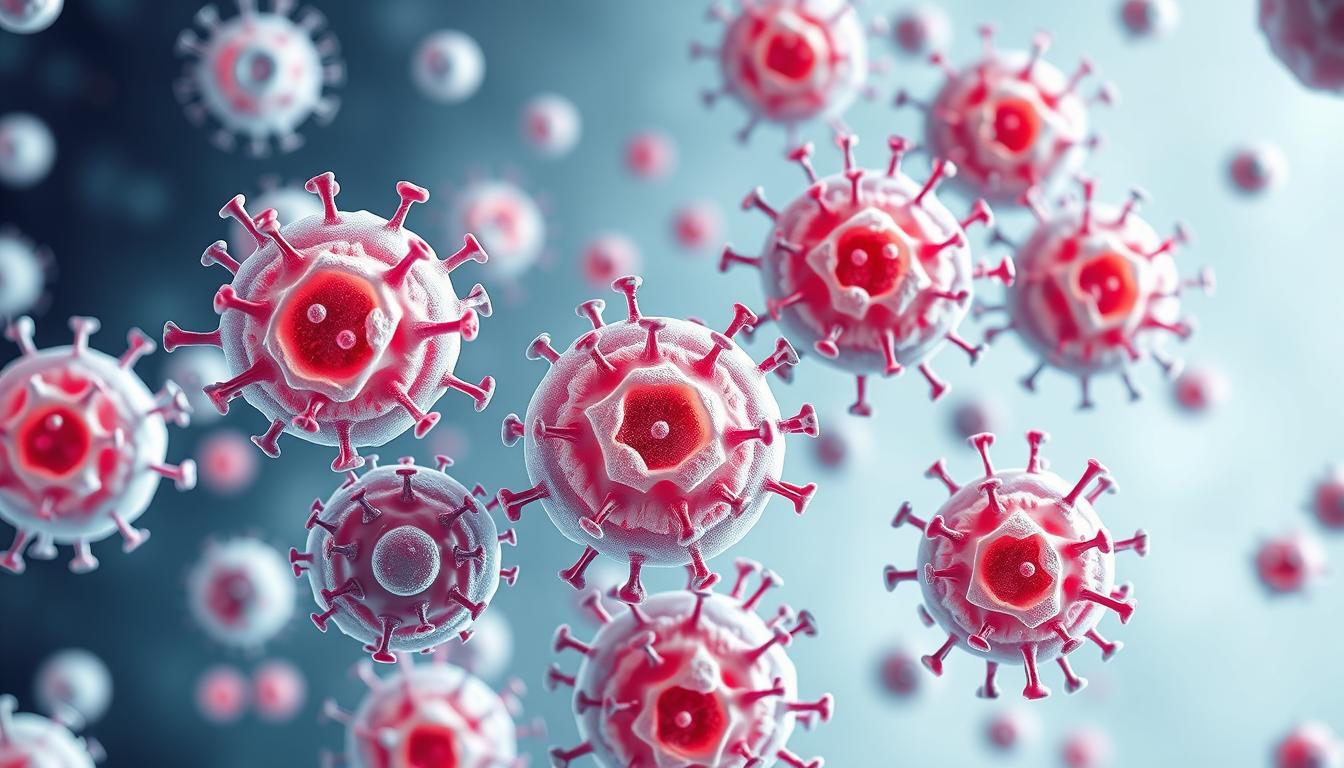 |
| White blood cells |
White blood cells defend body by physical, chemical, and anatomical roles.
Understanding the anatomy of white blood cells is essential to appreciating how our immune system functions. These cells are vital for fighting off pathogens and maintaining our overall well-being.
Key Takeaways
- The immune system relies on white blood cells to fight infections.
- Understanding the anatomy of white blood cells is crucial for appreciating immune function.
- White blood cells play a vital role in maintaining our overall health.
- The immune system's defense mechanisms are complex and multi-faceted.
- White blood cells are a key component of our body's defense against disease.
Understanding White Blood Cells: The Body's Defense against diseases
White blood cells, also known as leukocytes, are a vital part of our immune system, helping to defend the body against infections and diseases. They play a crucial role in protecting us against pathogens and foreign invaders.
Definition and Basic Function
White blood cells are a type of cell that originates in the bone marrow and circulates throughout the body via the bloodstream and lymphatic system. Their primary function is to identify and eliminate pathogens, such as bacteria, viruses, and other foreign substances, thereby safeguarding our health.
Key functions of white blood cells include:
- Recognizing and engulfing foreign particles and microorganisms
- Producing antibodies to fight infections
- Activating the immune response to eliminate pathogens
Location in the Body
White blood cells are found throughout the body, circulating in the bloodstream and lymphatic system. They are produced in the bone marrow and mature in various locations, including the thymus and lymph nodes.
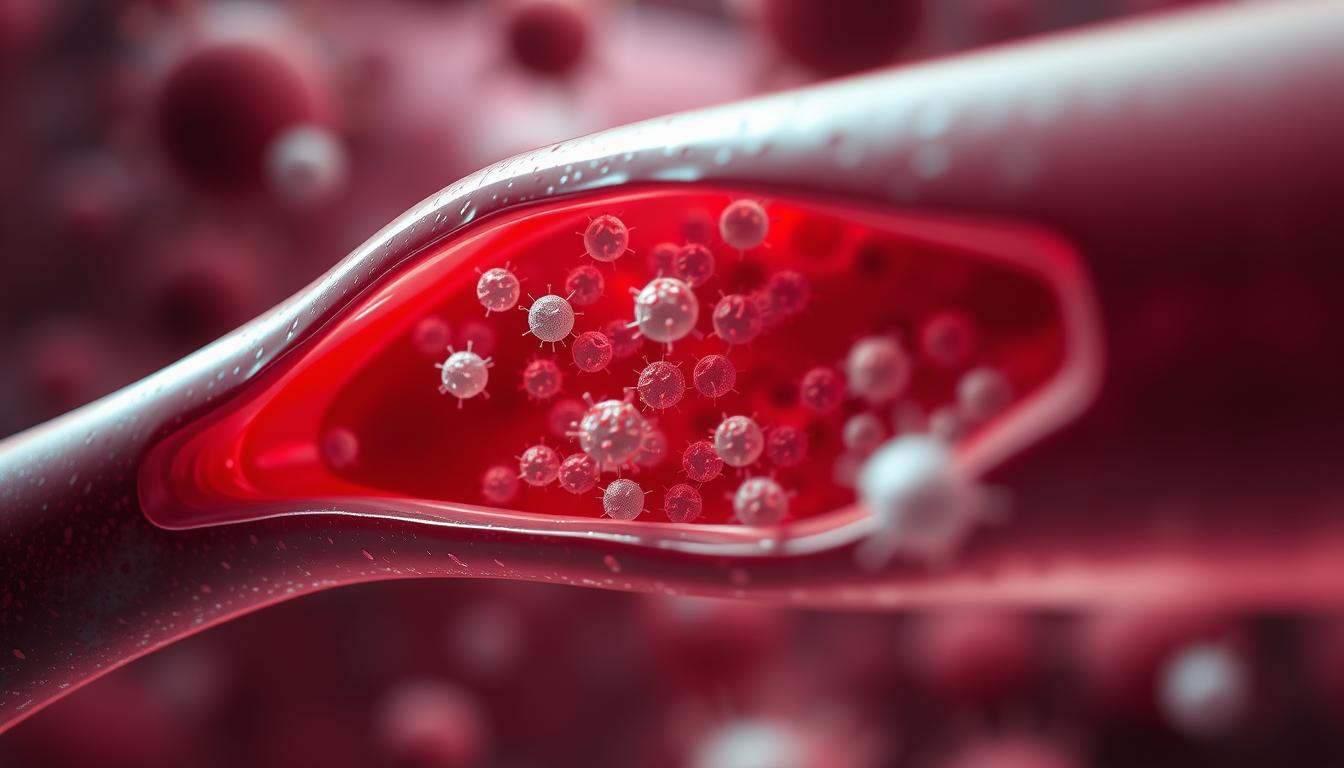
white blood cells circulation
Once mature, they are released into the circulation, where they can be deployed to areas of the body where they are needed to fight off infections.
Their ability to migrate to different parts of the body allows them to respond effectively to threats, making them a crucial component of our immune defense.
The Five Major Types of White Blood Cells
Understanding the different types of white blood cells is crucial for grasping how the body fights off infections. White blood cells, or leukocytes, are a diverse group of cells that play a vital role in the immune system. They are categorized into five major types based on their functions and characteristics.

types of white blood cells
Neutrophils: First Responders
Neutrophils are the most abundant type of white blood cells and serve as the body's first line of defense against infections. They are highly motile and capable of ingesting foreign particles and microorganisms through a process known as phagocytosis. Neutrophils are crucial in initial response to infections, helping to contain and eliminate pathogens.
Lymphocytes: Targeted Defense
Lymphocytes are another vital type of white blood cell that plays a key role in the immune response. They are broadly categorized into B lymphocytes and T lymphocytes, each having distinct functions in defending the body.
B Lymphocytes and Antibody Production
B lymphocytes, or B cells, are responsible for producing antibodies. These antibodies are proteins that recognize and bind to specific antigens on pathogens, marking them for destruction. This targeted approach helps in neutralizing or removing pathogens from the body.
T Lymphocytes and Cell-Mediated Immunity
T lymphocytes, or T cells, are involved in cellmediated immunity. They directly interact with infected cells or produce chemical signals that activate other immune responses. T cells are essential for controlling and eliminating viral infections and tumor cells.
Monocytes and Macrophages: The Cleanup Crew
Monocytes are large white blood cells that mature into macrophages upon migrating into tissues. Macrophages are key players in the cleanup process, engulfing and digesting cellular debris, foreign substances, and pathogens. They also play a role in presenting antigens to lymphocytes, thereby initiating an immune response.
Eosinophils: Allergy and Parasite Fighters
Eosinophils are white blood cells that are involved in combating parasitic infections and in regulating allergic reactions. They release granules that contain chemicals toxic to parasites and help modulate the body's response to allergens.
Basophils: Inflammatory Mediators
Basophils are the least abundant type of white blood cell but play a significant role in inflammation, particularly in allergic reactions. They release histamine and other mediators, contributing to the symptoms associated with allergic responses.
Structural Anatomy of White Blood Cells
Understanding the intricate structure of white blood cells is essential to appreciating their role in immunity. These cells are not just simple entities; they are complex organisms with various components working in harmony to defend the body.
Cell Membrane and Surface Receptors
The cell membrane of white blood cells is a dynamic structure that plays a critical role in their function. It is semi- permeable, allowing certain substances to pass through while keeping others out. Embedded within this membrane are surface receptors that are crucial for recognizing pathogens and other foreign substances. These receptors can bind to specific ligands, triggering a response that helps in the identification and elimination of threats.
Nucleus and Genetic Material
The nucleus is the control center of the white blood cell, containing the genetic material necessary for the cell's growth, function, and reproduction. The nucleus is surrounded by a double membrane called the nuclear envelope, which regulates the flow of materials in and out of the nucleus. The genetic material within the nucleus provides the instructions for the cell's defense mechanisms, including the production of proteins and enzymes vital for immune responses.
Cytoplasmic Components and Organelles
The cytoplasm of white blood cells is filled with various organelles that are essential for their function. These include:
- Lysosomes, which contain digestive enzymes.
- Granules and secretory vesicles that store proteins and other substances crucial for immune responses.
Lysosomes and Digestive Enzymes
Lysosomes are membrane-bound organelles that contain digestive enzymes. These enzymes are capable of breaking down a wide range of substances, from proteins to polysaccharides, playing a key role in the degradation of pathogens and debris.
Granules and Secretory Vesicles
Granules and secretory vesicles in white blood cells contain a variety of substances that are released in response to specific stimuli. These substances can include antimicrobial peptides, enzymes, and other proteins that contribute to the elimination of pathogens.
The Life Cycle of White Blood Cells
From the bone marrow to the bloodstream, white blood cells undergo a remarkable journey that is crucial for our body's defense mechanism. The life cycle of these these cells is a complex process involving production, maturation, and circulation, all of which are vital for a healthy immune response.
Production in Bone Marrow
White blood cells are produced in the bone marrow through a process called hematopoiesis. This process involves the differentiation of hematopoietic stem cells into various types of white blood cells, including neutrophils, lymphocytes, monocytes, eosinophils, and basophils. The bone marrow is responsible for producing approximately 1 billion white blood cells per day, adjusting the production rate according to the body's needs.
Maturation Process
After production, white blood cells undergo a maturation process. During this phase, the cells acquire the necessary functional capabilities to perform their immune roles. For example, neutrophils mature into fully functional cells capable of phagocytosing pathogens. The maturation process is crucial for ensuring that white blood cells can effectively respond to infections.
Circulation and Lifespan
Once mature, white blood cells are released into the bloodstream, where they circulate and survey the body for pathogens. The lifespan of white blood cells varies significantly among different types. For instance, neutrophils have a short lifespan of approximately 6 hours, while some lymphocytes can survive for years,providing long- term immune memory. The circulation and lifespan of white blood cells are tightly regulated to ensure an effective immune response.
In conclusion, the life cycle of white blood cells is a highly regulated and complex process that is essential for our immune system's function. Understanding this process can provide valuable insights into how our body defends against infections and diseases.
White Blood Cells Defend Body by Physical, Chemical, and Anatomical Roles
The defense mechanisms of white blood cells are multifaceted, involving physical, chemical, and anatomical adaptations. These cells are crucial in protecting the body against a wide range of pathogens and foreign substances.
Physical Defense Mechanisms
White blood cells employ several physical defense mechanisms to combat invaders. One of the primary methods is through phagocytosis, a process where cells engulf and digest foreign particles and microorganisms.
Phagocytosis: Cellular Ingestion
Phagocytosis is a critical function of certain white blood cells, such as neutrophils and macrophages. These cells recognize, engulf, and destroy pathogens, thereby limiting the spread of infection within the body.
Barrier Formation and Containment
Another physical defense mechanism involves the formation of barriers to contain infections. White blood cells can accumulate at the site of an infection, forming a barrier that prevents the pathogen from spreading to other parts of the body.
Chemical Warfare Against Pathogens
In addition to physical defenses, white blood cells engage in chemical warfare against pathogens. This involves the production and release of various chemical signals and molecules that either directly kill pathogens or coordinate an immune response.
Cytokines and Signaling Molecules
Cytokines are signaling molecules that play a crucial role in coordinating the immune response. They facilitate communication between different types of white blood cells, ensuring a targeted and effective response to infection.
Antibodies and Complement System
Antibodies, produced by B lymphocytes, are proteins that specifically recognize and bind to particular pathogens, marking them for destruction. The complement system is a group of proteins that work together with antibodies to enhance the ability of the immune system to clear pathogens from the body.
Anatomical Adaptations for Defense
The anatomy of white blood cells and their associated structures is adapted to facilitate their defense functions. For example, the structure of lymph nodes and the spleen allows for the efficient filtration of the blood and lymph, trapping pathogens and activating immune responses.
In conclusion, white blood cells defend the body through a complex interplay of physical, chemical, and anatomical mechanisms. Understanding these mechanisms provides insight into the remarkable efficiency of the human immune system.
The Immune Response: White Blood Cells in Action
When pathogens enter the body, white blood cells spring into action, orchestrating a multifaceted immune response. This complex process involves the coordinated effort of various white blood cell types to defend against infection.
Recognition of Foreign Invaders
The first step in the immune response is the recognition of pathogens by white blood cells. This is achieved through pattern recognition receptors on the surface of these cells, which identify pathogen-associated molecular patterns.
Mobilization and Recruitment
Upon recognition of a pathogen, white blood cells are mobilized and recruited to the site of infection. This process involves the release of chemical signals, such as cytokines, which attract white blood cells to the affected area.
Elimination of Threats
The ultimate goal of the immune response is the elimination of threats. White blood cells achieve this through various mechanisms,including phagocytosis and the release of antimicrobial substances.
Response to Bacterial Infections
In the case of bacterial infections, neutrophils and macrophages play a crucial role in phagocytosis, engulfing and destroying bacteria.
Response to Viral Infections
For viral infections, lymphocytes such as T cells and B cells are key players. T cells can directly kill virus-infected cells, while B cells produce antibodies to neutralize viruses.
Memory Formation and Adaptive Immunity
After an infection is cleared, some white blood cells, such as memory T and B cells, remain in the body, providing adaptive immunity. This allows for a rapid response to future infections by the same pathogen.
| White Blood Cell Type | Function | Role in Immune Response |
| Neutrophils | Phagocytosis | First line of defense against bacterial infections |
| Lymphocytes (T cells, B cells) | Cell-mediated and humoral immunity | Critical for fighting viral infections and providing adaptive immunity |
| Macrophages | Phagocytosis, antigen presentation | Important for cleaning up debris and presenting antigens to lymphocytes |
White Blood Cell Disorders and Diseases
White blood cells play a crucial role in our immune response, and disorders affecting them can have serious health implications. These cells are vital for fighting infections and diseases, and any imbalance or dysfunction can lead to various health issues.
Leukopenia: Too Few White Blood Cells
Leukopenia is a condition characterized by an abnormally low count of white blood cells. This can make the body more susceptible to infections. Neutropenia, a form of leukopenia, specifically refers to a low count of neutrophils, a type of white blood cell crucial for fighting off infections.
Neutropenia and Infection Risk
Neutropenia increases the risk of infections because neutrophils are often the first line of defense against invading pathogens. When neutrophil counts are low, the body is less equipped to fight off these invaders.
Causes and Treatment Options
The causes of neutropenia can range from bone marrow disorders to certain medications. Treatment often involves addressing the underlying cause and may include medications to stimulate white blood cell production.
Leukocytosis: Elevated White Blood Cell Count
On the other end of the spectrum is leukocytosis, a condition where the white blood cell count is higher than normal. This can be a response to infection, inflammation, or other stressors on the body. While it can be a sign of an underlying issue, it's also a natural response to infection or injury.
Leukemia and Lymphoma
Leukemia and lymphoma are types of cancer that affect the blood and lymphatic system, respectively. Leukemia involves the abnormal proliferation of white blood cells in the bone marrow, while lymphoma involves the lymph nodes and lymphatic system.
Acute vs. Chronic Leukemias
Leukemias can be classified as acute or chronic, depending on their progression. Acute leukemias progress quickly and require immediate treatment, whereas chronic leukemias progress more slowly.
Lymphoma Types and Progression
Lymphomas are broadly categorized into Hodgkin lymphoma and non-Hodgkin lymphoma, each with different characteristics and treatment approaches. Understanding the specific type of lymphoma is crucial for determining the best course of treatment.
As highlighted by a medical expert, "Understanding white blood cell disorders is crucial for diagnosing and treating conditions that affect our immune system."
"The complexity of white blood cell disorders necessitates a comprehensive approach to diagnosis and treatment, involving both lifestyle changes and medical interventions."
Lifestyle Factors and White Blood Cell Function
Our daily choices can significantly impact the functioning of white blood cells, which are vital for our immune system. Lifestyle factors such as nutrition, exercise, stress levels, and sleep patterns all play a role in determining how effectively our white blood cells can fight off infections and diseases.
Nutrition and Immune Support
A well balanced diet rich in fruits,vegetables , whole grains, and lean proteins is essential for supporting immune function. Nutrients like vitamin C, vitamin D, zinc, and iron are particularly important for white blood cell production and function. For example, vitamin C is known to boost the production of white blood cells, while zinc is crucial for the activation of cells important for immunity.
| Nutrient | Role in Immune Function | Food Sources |
| Vitamin C | Boosts white blood cell production | Oranges, strawberries, bell peppers |
| Zinc | Activates immune cells | Oysters, beef, chicken |
Exercise and White Blood Cell Mobilization
Regular physical activity is known to enhance immune function by promoting the circulation of white blood cells. Exercise stimulates the release of certain cytokines, which are proteins that help fight off infections. Moderate-intensity exercise, such as brisk walking, cycling, or swimming, is particularly beneficial for immune health.
Stress, Sleep, and Immune Suppression
Chronic stress and inadequate sleep can significantly suppress immune function. Stress hormones like cortisol can reduce the effectiveness of white blood cells, making us more susceptible to infections. Ensuring adequate sleep and practicing stress reducing techniques, such as meditation or yoga, can help mitigate these negative effects.
"Adequate sleep is crucial for immune function, as it allows the body to repair and regenerate immune cells."
By making informed lifestyle choices, we can support our immune system and enhance the function of our white blood cells. This includes maintaining a balanced diet, engaging in regular exercise, managing stress, and getting enough sleep.
Conclusion: The Remarkable Defense System Within Us
The human body's defense against diseases is a complex and fascinating process, with white blood cells playing a crucial role in protecting us from harm. Throughout this article, we've explored the different types of white blood cells, their structure, and how they work together to defend the body.
Understanding the immune system and the vital role of white blood cells is essential for maintaining overall health. By supporting our immune system through a balanced lifestyle, including a healthy diet, regular exercise, and adequate sleep, we can help ensure that our white blood cells function optimally.
The intricate defense mechanisms employed by white blood cells are a testament to the remarkable complexity of the human body. By appreciating and supporting this remarkable defense system, we can take steps to prevent illnesses and maintain a strong immune system.


No comments:
Post a Comment