
The Lungs knowledge |Alveoli|Bronchi|Trachea|Mucous membrane
The two vital organs in the human body responsible for breathing and respi…
The two vital organs in the human body responsible for breathing and respi…

The heart is a muscular organ located in the thoracic cavity, slightly to…

Red blood cells play a vital role in our body's overall health,supp…

The intestine, also known as gut, is a long, tube-like structure in the ga…
The studdy of "Human Organs'anatomy" **The Eye,The Intestines,The Digestive,The Stomach,The Bile,Blood,The Brain,The Heart,The Muscles**
Red blood cells play a vital role in our body's overall health,supporting immunity and protecting against various diseases. There unique anatomy allows them to perform their functions effectively.
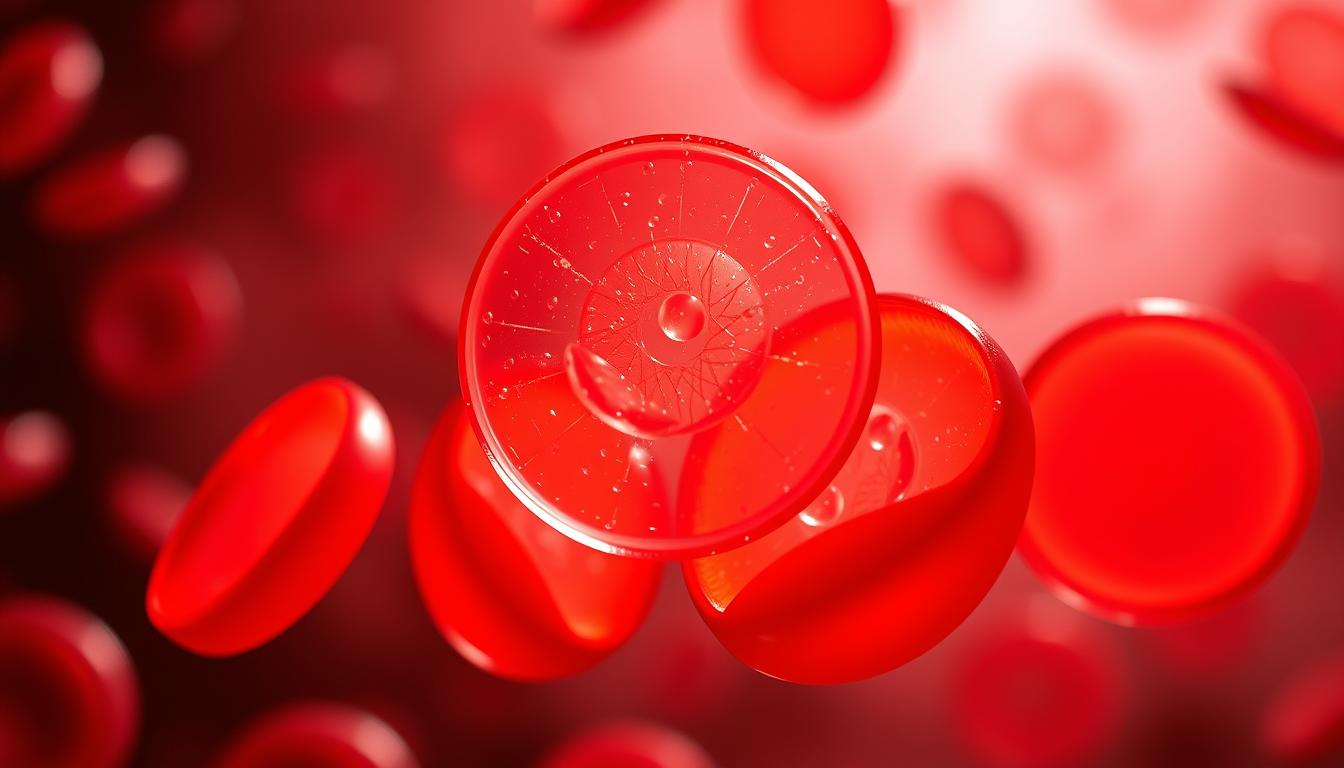 |
| Red blood cells |
Red blood cells are characterized by their distinctive biconcave shape, a feature that significantly enhances their functionality. This unique shape allows red blood cells to maximize their surface area facilitating the exchange of gases, particularly oxygen and carbon dioxide between the blood and tissues.
The biconcave disk shape of red blood cells is crucial for their function. This shape is not merely a morphological curiosity; it serves several critical purposes.
The biconcave shape increases the cell's surface area relative to it's volume, enhancing the effusion of oxygen across the cell membrane.This is vital for the cell's primary roll in oxygen transport.By maximizing surface area,red blood cells can more efficiently release oxygen to tissues and absorb carbon dioxide.
The biconcave shape also contributes to the cell's flexibility, allowing it to deform and pass through narrow capillaries. This flexibility is essential for red blood cells to navigate the circulatory system, ensuring that oxygen is delivered to even the most remote tissues. capillaries. This flexibility is essential for red blood cells to navigate the circulatory system, ensuring that oxygen is delivered to even the most remote tissues.
The membrane of red blood cells is composed of a lipid bilayer and a cytoskeleton that provides structural support and maintains the cell's shape. The membrane's properties are crucial for the cell's ability to deform and recover its shape, a necessary feature for navigating the circulatory system.
Red blood cells lack a nucleus, a characteristic that distinguishes them from most other cells. This absence allows for a greater volume of hemoglobin, enhancing the cell's oxygen carrying capacity. The internal environment is optimized for the storage and transport of hemoglobin, facilitating the cell's primary function.
Erythropoiesis, the process by which red bood cells are formed, is a critical function of the bone marrow. This complex process involves the transformation of hematopoietic stem cells into mature red blood cells.
Erythropoiesis is a highly regulated process that ensures the production of red blood cells. It begins with hematopoietic stem cells, which differentiate into erythroblasts under the influence of various growth factors.
Erythropoietin, a hormone produced primarily by the kidneys, plays a crucial role in regulating erythropoiesis. It stimulates the proliferation and differentiation of erythroid progenitor cells, thus controlling the production of red blood cells.
The bone marrow is the primary site of erythropoiesis in adults. Here, erythroid progenitor cells undergo several stages of development, eventually giving rise to reticulocytes, which then mature into red blood cells.
| Stage | Description |
| Hematopoietic Stem Cell | Self-renewing stem cells that give rise to all blood cells |
| Erythroid Progenitor | Cells committed to the erythroid lineage |
| Reticulocyte | Immature red blood cells released into the circulation |
| Mature Red Blood Cell | Fully functional red blood cells |
Red blood cells have a finite lifespan, typical lasting around 120 days. During this time, thtypicaley undergo significant stress and deformation as they circulate through the body.
As red blood cells age, they are removed from the circulation and recycled by the spleen. The components are then reused to produce new red blood cells, maintaining a delicate balance in the body's red blood cell count.
Key aspects of red blood cell removal include:
Oxygen transport is the main function of red blood cells, facilitated by the protein hemoglobin. Hemoglobin is a complex molecule that plays a crucial role in delivering oxygen to tissues throughout the body.
Hemoglobin is composed of four subunits, each containing a heme group. This structure is essential for its function.
The four subunits of hemoglobin are arranged in a specific configuration, allowing the protein to bind and release oxygen efficiently. This unique arrangement is critical for the protein's function.
Iron, a key component of the heme group, is essential for oxygen binding. The iron atom binds to oxygen, facilitating its transport throughout the body. Iron deficiency can significantly impair this process, leading to conditions such as anemia.
The binding and release of oxygen by hemoglobin are influenced by several factors, including pH, temperature,and Concentration of 2,3- bisphosphoglycerate (2,3-BPG). These factors help regulate the delivery of oxygen to tissues.
In addition to transporting oxygen, red blood cells play a role in the transport of carbon dioxide, a waste product of cellular metabolism, back to the lungs for exhalation. This process is crucial for maintaining acid-base balance in the body.
The efficient transport of oxygen and carbon dioxide by red blood cells is vital for maintaining the body's homeostasis and supporting overall health.
Beyond their primary function of oxygen transport, red blood cells contribute significantly to immune defense. Their interactions with the Immune systm are multifaceted, involving direct and direct mechanisms to protect against pathogens and disease.
Red blood cells interact directly with various components of the immune system. One key interaction is with the complement system, a group of proteins that play a crucial role in eliminating pathogens from the body.
The complement system can be activated by the presence of pathogens, leading to the formation of membrane attack complexes that can lyse foreign cells. Red blood cells can bind to and help regulate the activity of certain complement proteins, thereby modulating the immune response.
Red blood cells can also present antigens on their surface, which can be recognized by the immune system. This antigen presentation can help in the identification and targeting of pathogens for destruction.
Red blood cells are involved in the binding and clearance of pathogens from the circulation. They can help remove immune complexes and pathogens, thereby protecting against infection.
Immune complexes are formed when antibodies bind to antigens. Red blood cells can bind to these immune complexs and facilitate their removal from circulation, helping to prevent tissue damage.
By binding to and removing pathogens, red blood cells play a role in protecting against blood borne infections. This function is for prevention the spread of pathogens throughout the body. infections.
Red blood cells also contribute to the processes of inflammation and wound healing. They can release factors that promote healing and modulate the inflammatory response.
In summary, red blood cells are integral to the immune system's function, contributing to pathogen clearance, immune complex removal, and the modulation of inflammatiion and wound healing. Their role in immunity is complex and multifaceted, highlighting the intricate relationships with the body's defense mechanisms.
Understanding red blood cell abnormalities is crucial for diagnosing and treating related health conditions. These abnormalities can lead to various disorders, affecting the body's ability to transport oxygen and maintain overall health.
Anemia is a condition characterized by a deficiency in the number or quality of red blood cells, leading to insufficient oxygen delivery to tissues. It can result from various factors, including nutritional deficiencies, chronic diseases, and genetic disorders.
Iron deficiency anemia is the most common form of anemia, often caused by inadequate dietary iron intake, chronic blood loss, or increased iron requirements. Symptoms incliude fatigue, weakness, and shortness of breath.
Deficiencies in vitamin B12 or folate can lead to megaloblastic anemia, characterized by the production of abnormally large red blood cells. These deficiencies can result from dietary inadequacies, malabsorption, or certain medications.
Hemoglobinopathies are genetic disorders affecting the structure or production of hemoglobin, a critical protein in red blood cells. Sickle cell disease and thalassemia are two significant types of hemoglobinpathies, each with distinct clinical manifestations and management strategies.
Sickle cell disease is caused by a mutation in the hemoglobin gene, leading to sickle-shaped red blood cells that can obstruct blood vessels and cause pain crises. Thalassamia involves reduced or absent production of hemoglobin chains, resulting in anemia and other complications.
Polycythemia is a condition where the body produces too many red blood cells, increasing blood viscosity and the risk of thrombosis. It can be primary, as in polycythemia vera, a myeloproliferative neoplasm, or secondary due to chronic hypoxia or other factors.
Managing these conditions involves addressing the underlying causes and mitigating symptoms to improve quality of life.
Ensuring the health of our red blood cells is vital for preventing various health issues. Red blood cells play a crucial role in delivering oxygen to our body's tissues, and their health is directly linked to our overall well-being.
A diet rich in essential nutrients is critical for maintaining healthy red blood cells. These nutrients support the production and function of red blood cells.
Iron, vitamin B12, and folate are among the key nutrients required for red blood cell production. Iron is crucial for hemoglobin production, while vitamin B12 and folate are necessary for the normal production of red blood cells.
Consuming a balanced diet that includes foods rich in these nutrients is essential. Red meat, spinach, and fortified cereals are good sources of iron. Vitamin B12 can be obtained from animal products, and folate is found in leafy greens and legumes.
| Nutrient | Food gources | Recommended Daily Intake |
| Iron | Red meat, spinach, fortified cereals | 8 mg for men, 18 mg for women |
| Vitamin B12 | Animal products, fortified plant-based milk | 2.4 mcg |
| Folate | Leafy greens, legumes, fortified cereals | 400 mcg |
Lifestyle choices can significantly impact red blood cell health. Smoking and excessive alcohol consumption can negatively affect red blood cell production and functifon.
If you experience symptoms such as fatigue, shortness of breath, or pale skin, it may be indicative of red blood cell issues. Consulting a healthcare professional is advisable if these symptoms persist.

Modern research has significantly expanded our knowledge of RBC biology, revealing novel functions and applications. Recent studies have broadened our understanding of red blood cells, showcasing their complexity and and multifaceted roles in the body.
Red blood cells are now known to perform functions beyond oxygen transport. They play a role in maintaining vascular health and have been implicated in the regulation of nitric oxide levels, which is crucial for vascular tone.
RBCs are emerging as potential biomarkers for various diseases. Changes in their morphology, count, and hemoglobin content can indicate underlying health issues, making them valuable for diagnostic purposes.
The therapeutic potential of RBCs is being explored in various areas. Two promising avenues are the use of engineered RBCs for drug delivery and the development of artificial blood.
Engineered RBCs can be designed to carry therapeutic agents, potentially improving drug delivery and reducing side effects. This approach is being researched for treating various conditions, including cancer.
The development of artificial blood substitutes is another area of active research. These substitutes aim to replicate the oxygen-carrying capacity of RBCs, offering a potential solution for blood transfusions.
| Therapeutic Application | Description | Potential Benefits |
| Engineered RBCs for Drug Delivery | RBCs engineered to carry therapeutic agents | Improved drug delivery, reduced side effects |
| Artificial Blood Development | Synthetic substitutes for blood transfusions | Potential solution for blood shortages, reduced risk of transfusion reactions |
Understanding the clinical significance of red blood cell parameters is crucial for diagnosing and managing various health conditions. Red blood cell (RBC) parameters are critical components of a complete blood count(CBC),a routine blood test that provides variable information about the body's ability to transport oxygen.
A CBC measures several RBC parameters, including RBC count, hemoglobin (Hb) concentration, hematocrit (Hct), mean corpuscular volume (MCV), and red cell distribution width (RDW). Interpreting these parameters together helps healthcare professionals diagnose anemia, infection, and other disorders.
RDW is a measure of the variation in RBC size. An elevated RDW indicates a larger variation in RBC size, which can be seen in iron deficiency anemia and other conditions. A normal RDW suggests a uniform RBC size.
MCV measures the average volume of RBCs, while Hb concentration measures the average amount of hemoglobin in RBCs. These parameters help diagnose different types of anemia, such as microcytic, normocytic, or macrocytic anemia.
RBC numbers can indicate various health ssiues. For example, a low RBC count or Hb concentration may indicate anemia, while a high RBC count may suggest dehydration or polycythemia.
Monitoring changes in RBC parameters over time is essential for managing chronic conditions and assessing the effectiveness of treatments. Regular CBC tests help healthcare professionals adjust treatment plans accordingly.
Red blood cells are the unsung heroes of the human body, playing a vital role in maintaining our overall health. As we have explored throughout this article, their unique structure, development, and function make them indispensable for oxygen transport, immunity, and protecting against disease.
The versatility of red blood cells is truly remarkable, with their ability to adapt to different physiological conditions and respond to various pathological states. From their role in transporting oxygen to their involvement in inflammation and wound healing, red blood cells are a crucial component of our bodily functions.
In summary, the importance of red blood cells cannot be overstated. By understanding their complexities and the factors that affect their health, we can better appreciate the intricate mechanisms that keep us alive and thriving. As research continues to uncover the many facets of red blood cell biology, we are reminded of the significance of these cells in maintaining our overall well-being.
Red blood cells supply oxygen to body tissues, strengthening the immune system and helping the body resist infections and diseases.
Yes, oxygen deficiency weakens body cells, affecting immunity and making the body more prone to infections and fatigue.
Iron, vitamin B12, and folic acid are essential nutrients for the production and proper functioning of healthy red blood cells.
Iron helps form hemoglobin, vitamin B12 supports DNA synthesis, and folic acid aids in the formation and maturation of red blood cells. Deficiency in any of these nutrients can lead to anemia and reduced oxygen-carrying capacity of the blood.
The immune system is our defense mechanism against infections and diseases, and at its forefront are the white blood cells. These cells play a crucial role in protecting our health.
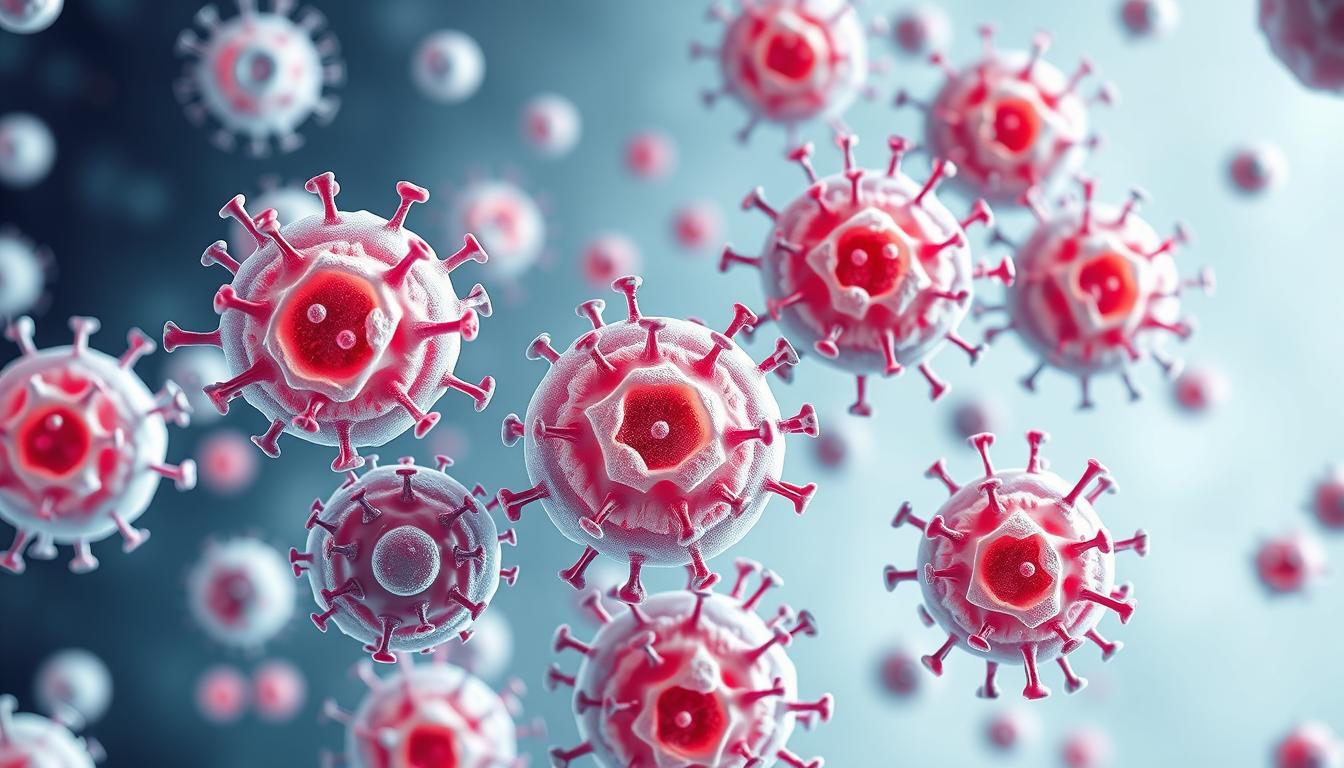 |
| White blood cells |
Understanding the anatomy of white blood cells is essential to appreciating how our immune system functions. These cells are vital for fighting off pathogens and maintaining our overall well-being.
White blood cells, also known as leukocytes, are a vital part of our immune system, helping to defend the body against infections and diseases. They play a crucial role in protecting us against pathogens and foreign invaders.
White blood cells are a type of cell that originates in the bone marrow and circulates throughout the body via the bloodstream and lymphatic system. Their primary function is to identify and eliminate pathogens, such as bacteria, viruses, and other foreign substances, thereby safeguarding our health.
Key functions of white blood cells include:
White blood cells are found throughout the body, circulating in the bloodstream and lymphatic system. They are produced in the bone marrow and mature in various locations, including the thymus and lymph nodes.
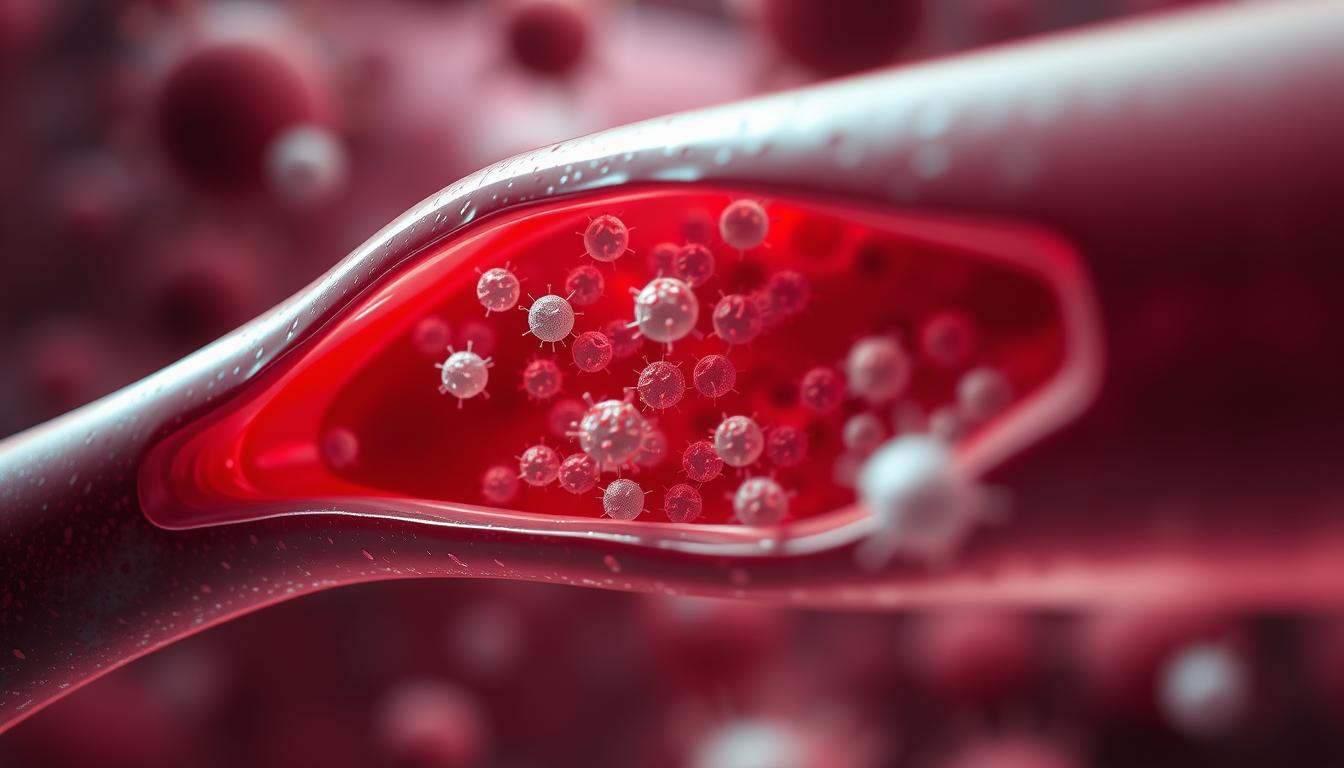
Once mature, they are released into the circulation, where they can be deployed to areas of the body where they are needed to fight off infections.
Their ability to migrate to different parts of the body allows them to respond effectively to threats, making them a crucial component of our immune defense.
Understanding the different types of white blood cells is crucial for grasping how the body fights off infections. White blood cells, or leukocytes, are a diverse group of cells that play a vital role in the immune system. They are categorized into five major types based on their functions and characteristics.

Neutrophils are the most abundant type of white blood cells and serve as the body's first line of defense against infections. They are highly motile and capable of ingesting foreign particles and microorganisms through a process known as phagocytosis. Neutrophils are crucial in initial response to infections, helping to contain and eliminate pathogens.
Lymphocytes are another vital type of white blood cell that plays a key role in the immune response. They are broadly categorized into B lymphocytes and T lymphocytes, each having distinct functions in defending the body.
B lymphocytes, or B cells, are responsible for producing antibodies. These antibodies are proteins that recognize and bind to specific antigens on pathogens, marking them for destruction. This targeted approach helps in neutralizing or removing pathogens from the body.
T lymphocytes, or T cells, are involved in cellmediated immunity. They directly interact with infected cells or produce chemical signals that activate other immune responses. T cells are essential for controlling and eliminating viral infections and tumor cells.
Monocytes are large white blood cells that mature into macrophages upon migrating into tissues. Macrophages are key players in the cleanup process, engulfing and digesting cellular debris, foreign substances, and pathogens. They also play a role in presenting antigens to lymphocytes, thereby initiating an immune response.
Eosinophils are white blood cells that are involved in combating parasitic infections and in regulating allergic reactions. They release granules that contain chemicals toxic to parasites and help modulate the body's response to allergens.
Basophils are the least abundant type of white blood cell but play a significant role in inflammation, particularly in allergic reactions. They release histamine and other mediators, contributing to the symptoms associated with allergic responses.
Understanding the intricate structure of white blood cells is essential to appreciating their role in immunity. These cells are not just simple entities; they are complex organisms with various components working in harmony to defend the body.
The cell membrane of white blood cells is a dynamic structure that plays a critical role in their function. It is semi- permeable, allowing certain substances to pass through while keeping others out. Embedded within this membrane are surface receptors that are crucial for recognizing pathogens and other foreign substances. These receptors can bind to specific ligands, triggering a response that helps in the identification and elimination of threats.
The nucleus is the control center of the white blood cell, containing the genetic material necessary for the cell's growth, function, and reproduction. The nucleus is surrounded by a double membrane called the nuclear envelope, which regulates the flow of materials in and out of the nucleus. The genetic material within the nucleus provides the instructions for the cell's defense mechanisms, including the production of proteins and enzymes vital for immune responses.
The cytoplasm of white blood cells is filled with various organelles that are essential for their function. These include:
Lysosomes are membrane-bound organelles that contain digestive enzymes. These enzymes are capable of breaking down a wide range of substances, from proteins to polysaccharides, playing a key role in the degradation of pathogens and debris.
Granules and secretory vesicles in white blood cells contain a variety of substances that are released in response to specific stimuli. These substances can include antimicrobial peptides, enzymes, and other proteins that contribute to the elimination of pathogens.
From the bone marrow to the bloodstream, white blood cells undergo a remarkable journey that is crucial for our body's defense mechanism. The life cycle of these these cells is a complex process involving production, maturation, and circulation, all of which are vital for a healthy immune response.
White blood cells are produced in the bone marrow through a process called hematopoiesis. This process involves the differentiation of hematopoietic stem cells into various types of white blood cells, including neutrophils, lymphocytes, monocytes, eosinophils, and basophils. The bone marrow is responsible for producing approximately 1 billion white blood cells per day, adjusting the production rate according to the body's needs.
After production, white blood cells undergo a maturation process. During this phase, the cells acquire the necessary functional capabilities to perform their immune roles. For example, neutrophils mature into fully functional cells capable of phagocytosing pathogens. The maturation process is crucial for ensuring that white blood cells can effectively respond to infections.
Once mature, white blood cells are released into the bloodstream, where they circulate and survey the body for pathogens. The lifespan of white blood cells varies significantly among different types. For instance, neutrophils have a short lifespan of approximately 6 hours, while some lymphocytes can survive for years,providing long- term immune memory. The circulation and lifespan of white blood cells are tightly regulated to ensure an effective immune response.
In conclusion, the life cycle of white blood cells is a highly regulated and complex process that is essential for our immune system's function. Understanding this process can provide valuable insights into how our body defends against infections and diseases.
The defense mechanisms of white blood cells are multifaceted, involving physical, chemical, and anatomical adaptations. These cells are crucial in protecting the body against a wide range of pathogens and foreign substances.
White blood cells employ several physical defense mechanisms to combat invaders. One of the primary methods is through phagocytosis, a process where cells engulf and digest foreign particles and microorganisms.
Phagocytosis is a critical function of certain white blood cells, such as neutrophils and macrophages. These cells recognize, engulf, and destroy pathogens, thereby limiting the spread of infection within the body.
Another physical defense mechanism involves the formation of barriers to contain infections. White blood cells can accumulate at the site of an infection, forming a barrier that prevents the pathogen from spreading to other parts of the body.
In addition to physical defenses, white blood cells engage in chemical warfare against pathogens. This involves the production and release of various chemical signals and molecules that either directly kill pathogens or coordinate an immune response.
Cytokines are signaling molecules that play a crucial role in coordinating the immune response. They facilitate communication between different types of white blood cells, ensuring a targeted and effective response to infection.
Antibodies, produced by B lymphocytes, are proteins that specifically recognize and bind to particular pathogens, marking them for destruction. The complement system is a group of proteins that work together with antibodies to enhance the ability of the immune system to clear pathogens from the body.
The anatomy of white blood cells and their associated structures is adapted to facilitate their defense functions. For example, the structure of lymph nodes and the spleen allows for the efficient filtration of the blood and lymph, trapping pathogens and activating immune responses.
In conclusion, white blood cells defend the body through a complex interplay of physical, chemical, and anatomical mechanisms. Understanding these mechanisms provides insight into the remarkable efficiency of the human immune system.
When pathogens enter the body, white blood cells spring into action, orchestrating a multifaceted immune response. This complex process involves the coordinated effort of various white blood cell types to defend against infection.
The first step in the immune response is the recognition of pathogens by white blood cells. This is achieved through pattern recognition receptors on the surface of these cells, which identify pathogen-associated molecular patterns.
Upon recognition of a pathogen, white blood cells are mobilized and recruited to the site of infection. This process involves the release of chemical signals, such as cytokines, which attract white blood cells to the affected area.
The ultimate goal of the immune response is the elimination of threats. White blood cells achieve this through various mechanisms,including phagocytosis and the release of antimicrobial substances.
In the case of bacterial infections, neutrophils and macrophages play a crucial role in phagocytosis, engulfing and destroying bacteria.
For viral infections, lymphocytes such as T cells and B cells are key players. T cells can directly kill virus-infected cells, while B cells produce antibodies to neutralize viruses.
After an infection is cleared, some white blood cells, such as memory T and B cells, remain in the body, providing adaptive immunity. This allows for a rapid response to future infections by the same pathogen.
| White Blood Cell Type | Function | Role in Immune Response |
| Neutrophils | Phagocytosis | First line of defense against bacterial infections |
| Lymphocytes (T cells, B cells) | Cell-mediated and humoral immunity | Critical for fighting viral infections and providing adaptive immunity |
| Macrophages | Phagocytosis, antigen presentation | Important for cleaning up debris and presenting antigens to lymphocytes |
White blood cells play a crucial role in our immune response, and disorders affecting them can have serious health implications. These cells are vital for fighting infections and diseases, and any imbalance or dysfunction can lead to various health issues.
Leukopenia is a condition characterized by an abnormally low count of white blood cells. This can make the body more susceptible to infections. Neutropenia, a form of leukopenia, specifically refers to a low count of neutrophils, a type of white blood cell crucial for fighting off infections.
Neutropenia increases the risk of infections because neutrophils are often the first line of defense against invading pathogens. When neutrophil counts are low, the body is less equipped to fight off these invaders.
The causes of neutropenia can range from bone marrow disorders to certain medications. Treatment often involves addressing the underlying cause and may include medications to stimulate white blood cell production.
On the other end of the spectrum is leukocytosis, a condition where the white blood cell count is higher than normal. This can be a response to infection, inflammation, or other stressors on the body. While it can be a sign of an underlying issue, it's also a natural response to infection or injury.
Leukemia and lymphoma are types of cancer that affect the blood and lymphatic system, respectively. Leukemia involves the abnormal proliferation of white blood cells in the bone marrow, while lymphoma involves the lymph nodes and lymphatic system.
Leukemias can be classified as acute or chronic, depending on their progression. Acute leukemias progress quickly and require immediate treatment, whereas chronic leukemias progress more slowly.
Lymphomas are broadly categorized into Hodgkin lymphoma and non-Hodgkin lymphoma, each with different characteristics and treatment approaches. Understanding the specific type of lymphoma is crucial for determining the best course of treatment.
As highlighted by a medical expert, "Understanding white blood cell disorders is crucial for diagnosing and treating conditions that affect our immune system."
"The complexity of white blood cell disorders necessitates a comprehensive approach to diagnosis and treatment, involving both lifestyle changes and medical interventions."
Our daily choices can significantly impact the functioning of white blood cells, which are vital for our immune system. Lifestyle factors such as nutrition, exercise, stress levels, and sleep patterns all play a role in determining how effectively our white blood cells can fight off infections and diseases.
A well balanced diet rich in fruits,vegetables , whole grains, and lean proteins is essential for supporting immune function. Nutrients like vitamin C, vitamin D, zinc, and iron are particularly important for white blood cell production and function. For example, vitamin C is known to boost the production of white blood cells, while zinc is crucial for the activation of cells important for immunity.
| Nutrient | Role in Immune Function | Food Sources |
| Vitamin C | Boosts white blood cell production | Oranges, strawberries, bell peppers |
| Zinc | Activates immune cells | Oysters, beef, chicken |
Regular physical activity is known to enhance immune function by promoting the circulation of white blood cells. Exercise stimulates the release of certain cytokines, which are proteins that help fight off infections. Moderate-intensity exercise, such as brisk walking, cycling, or swimming, is particularly beneficial for immune health.
Chronic stress and inadequate sleep can significantly suppress immune function. Stress hormones like cortisol can reduce the effectiveness of white blood cells, making us more susceptible to infections. Ensuring adequate sleep and practicing stress reducing techniques, such as meditation or yoga, can help mitigate these negative effects.
"Adequate sleep is crucial for immune function, as it allows the body to repair and regenerate immune cells."
By making informed lifestyle choices, we can support our immune system and enhance the function of our white blood cells. This includes maintaining a balanced diet, engaging in regular exercise, managing stress, and getting enough sleep.
The human body's defense against diseases is a complex and fascinating process, with white blood cells playing a crucial role in protecting us from harm. Throughout this article, we've explored the different types of white blood cells, their structure, and how they work together to defend the body.
Understanding the immune system and the vital role of white blood cells is essential for maintaining overall health. By supporting our immune system through a balanced lifestyle, including a healthy diet, regular exercise, and adequate sleep, we can help ensure that our white blood cells function optimally.
The intricate defense mechanisms employed by white blood cells are a testament to the remarkable complexity of the human body. By appreciating and supporting this remarkable defense system, we can take steps to prevent illnesses and maintain a strong immune system.
The lymphatic system plays a vital part in our body's defense mechanism. It is a complex network of organs, tissues, and vessels that work together to protect us from infections and diseases. Understanding the anatomy of the lymphatic system is crucial for grasping how our body fights off germs.
 |
| Lymphatic system |
The key components of the lymphatic system include lymph nodes, vessels, spleen, and thymus. These elements work in harmony to filter out pathogens and other foreign substances from our body.
The lymphatic system plays a pivotal role in maintaining our body's homeostasis. It is a complex network that aids in the defense against infection and disease, while also facilitating the removal of toxins and waste products from our body.

The lymphatic system is defined as a network of vessels, organs, and tissues responsible for the transport of lymph, a fluid containing white blood cells, throughout the body. Its primary functions include the transportation of lymph, removal of toxins and waste, and supporting the immune system's function. By performing these functions, the lymphatic system plays a crucial role in maintaining our overall health.
The lymphatic system is closely related to both the circulatory and immune systems. It works in tandem with the circulatory system to maintain fluid balance and blood pressure, while its connection to the immune system enables it to aid in the defense against pathogens. This intricate relationship highlights the importance of the lymphatic system in our overall well-being.
Historical milestones have paved the way for modern breakthroughs in understanding lymphatic anatomy. The journey to our current comprehension has been long and winding, with contributions from numerous scientists and researchers over the centuries.
The study of lymphatic anatomy dates back to the 17th century when Thomas Bartholin and Johannes Pecquet independently discovered the lymphatic system. Their findings laid the groundwork for future research, gradually unveiling the complexities of lymphatic vessels and nodes. Over time, these foundational discoveries have been built upon, expanding our understanding of the lymphatic system's role in immunity.

Modern research has revolutionized our understanding of lymphatic anatomy, employing cutting-edge imaging techniques and molecular biology. Recent studies have elucidated the intricate functions of lymph nodes and the role of the lymphatic system in disease prevention. These breakthroughs have not only deepened our understanding but also opened new avenues for treating lymphatic-related disorders.
By combining historical insights with modern research, we continue to enhance our knowledge of lymphatic anatomy, driving forward the field of immunology and improving therapeutic strategies.
Lymph, a clear fluid, is essential for the proper functioning of our immune system. It plays a critical role in defending the body against infection and disease.
Lymph is formed from the interstitial fluid that surrounds our cells. Its composition includes white blood cells, proteins, and other substances that are vital for immune function. The formation process involves the filtration of blood plasma through the capillary walls into the interstitial space.
| Component | Function |
| White Blood Cells | Play a key role in immune response |
| Proteins | Help in the transport of nutrients and waste |
The flow of lymph is facilitated by a network of lymphatic vessels. Lymphatic circulation is not pumped like the blood circulation but is driven by muscle contractions, breathing movements, and gravity.
Understanding lymph and its role in immunity can provide valuable insights into how our immune system works and how we can support its health.
Lymphatic vessels form a complex network that is vital for the transportation of lymph, a fluid critical to immunity. These vessels are the pathways through which lymph flows, playing a critical role in our body's defense against infections and diseases.
The structural characteristics of lymphatic vessels, such as their thin walls and the presence of valves, facilitate the flow of lymph. These features prevent the backflow of lymph, ensuring it moves in one direction towards the central lymphoid organs.
The network organization of lymphatic vessels is extensive, covering various parts of the body. This network is crucial for the efficient transport of lymph from the periphery to the central lymphoid organs.
The lymphatic vascular system is composed of different types of vessels, including capillaries, collectors, and trunks.Capillaries are the smallest lymphatic vessels where the process of lymph formation begins. Collectors are vessels that collect lymph from capillaries and merge to form larger vessels.Trunks are the largest lymphatic vessels that drain into the bloodstream.
As highlighted by a medical expert, "The lymphatic system's vessels are crucial for immune function, acting as the body's 'drainage'system to remove pathogens and abnormal cells."
"The lymphatic vessels are not just passive conduits; they actively regulate the immune response by facilitating the transport of immune cells and antigens."
Located throughout the body, lymph nodes are vital for defending against infections and diseases. These small, bean-shaped structures are a crucial part of the lymphatic system, playing a key role in the body's immune response.
Lymph nodes are distributed throughout the body, with clusters found in the neck, armpits, and groin area. Their anatomical structure allows them to filter lymph effectively, trapping pathogens and other foreign substances. This structure includes a capsule surrounding the node, with a network of reticular fibers and cells that facilitate the filtration process.
The cellular components of lymph nodes, including lymphocytes and macrophages, are essential for their immune function. Lymphocytes recognize and respond to pathogens, while macrophages engulf and digest foreign particles and microbes. This coordinated effort enables lymph nodes to mount an effective immune response against infections.
Lymph nodes act as filters, trapping pathogens and other foreign substances that enter the body. The filtration mechanism involves the flow of lymph through the node, where pathogens are trapped by reticular fibers and cells. This process prevents the spread of infection to other parts of the body, playing a critical role in maintaining immune function.
In summary, lymph nodes are critical organs that play a vital role in defending against germs and maintaining immune function. Understanding their anatomical structure, cellular components, and filtration mechanisms provides valuable insights into how our immune system responds to pathogens.
The spleen, an often-underappreciated organ, is fundamental in maintaining the body's overall health by ensuring the quality of the blood and supporting immune responses. Located in the upper left region of the abdomen, it plays a crucial role in filtering the blood and aiding in the body's defense against pathogens.
The spleen is situated in the upper left quadrant of the abdomen, beneath the diaphragm. It is a ductless organ, meaning it does not have a direct duct to release its secretions, instead, it filters the blood directly. The spleen's anatomical features include a capsule that surrounds the organ, and it is divided into two main types of pulp:white and red.
The spleen is pivotal in immune functions, acting as a filter for the blood. It removes old, damaged red blood cells and pathogens, helping to prevent infection. The spleen also stores lymphocytes and other immune cells, playing a role in the body's immune response.
The spleen is composed of two types of pulp: white pulp and red pulp. The white pulp is primarily involved in immune responses, containing lymphoid cells that help to fight infection. The red pulp, on the other hand, is responsible for filtering the blood, removing old or damaged red blood cells and recycling the iron content.
In summary, the spleen's unique structure and location enable it to perform its critical roles in blood filtration and immune function, making it a vital organ for overall health.
As a vital organ, the thymus is responsible for the maturation of T_cells, which are essential for a robust immune response. The thymus is located behind the sternum, in the anterior superior mediastinum, and is most active during childhood and adolescence.
The thymus is composed of two lobes, each surrounded by a capsule that extends into the gland, dividing it into lobules. The lobules are further divided into an outer cortex and an inner medulla, where T_cell development and selection occur. The thymus undergoes significant changes throughout life, growing until puberty and then gradually atrophying with age.
T_cell education in the thymus involves a rigorous selection process to ensure that T_cells can distinguish between self and non-self antigens. This process prevents autoimmunediseases by eliminating T_cells that react against the body's own tissues. The thymus educates T_cells through a complex interplay of positive and negative selection mechanisms.
"The thymus is crucial for the development of a functional immune system, and its role in T-cell maturation is indispensable for immune competence."
Immunology Expert
The thymus plays a critical role in establishing lifelong immunity by ensuring that the T_cell repertoire is diverse and capable of responding to a wide range of pathogens. Although the thymus atrophies with age, its early function lays the foundation for immune competence throughout life.
| Age | Thymus Status | Immune Function |
| Childhood | Active | Developing |
| Adulthood | Atrophying | Mature |
| Old Age | Significantly Atrophied | Declining |
Secondary lymphatic tissues play a crucial role in supporting immunity throughout the body. These tissues are strategically located to encounter pathogens at various entry points.
Tonsils and adenoids are key components of the immune system, positioned at the entrance of the respiratory and digestive tracts. They trap pathogens and other foreign particles, initiating an immune response to prevent infection.
MALT is a critical part of the immune system found in mucosal surfaces, including the gut, respiratory, and genitourinary tracts. It plays a vital role in immune surveillance, detecting pathogens and initiating an appropriate immune response.
Peyer's patches are lymphoid follicles located in the ileum region of the small intestine. They are essential for sampling antigens from the gut lumen, helping to maintain immune homeostasis and prevent infection.
In summary, secondary lymphatic tissues, including tonsils, adenoids, MALT, and peyer's patches, are vital for a robust immune response. Understanding their functions provides valuable insights into how our immune system defends against pathogens.
The lymphatic system's role in fluid balance is multifaceted and essential for homeostasis. It ensures that the body's fluid levels remain stable, which is crucial for maintaining proper bodily functions.
The lymphatic system collects interstitial fluid, which is the fluid that surrounds cells in the body. This process is vital for preventing the accumulation of excess fluid in tissues.
By collecting interstitial fluid, the lymphatic system prevents edema, a condition characterized by swelling due to excess fluid. Effective lymphatic function ensures that fluid levels remain balanced.
The lymphatic system also recovers proteins from the tissues, which is essential for maintaining blood volume and preventing fluid imbalance. This function is critical for overall circulatory health.
In summary, the lymphatic system plays a crucial role in maintaining fluid balance through interstitial fluid collection, prevention of edema, and protein recovery from tissues. Understanding these functions highlights the importance of the lymphatic system in overall health.
The lymphatic system is vital for coordinating the body's immune response. It plays a crucial role in defending against infections and diseases.
The immune response involves two main branches: innate immunity and adaptive immunity. The lymphatic system coordinates these two branches to provide comprehensive defense. Innate immunity offers immediate defense against pathogens, while adaptive immunity provides a targeted response.
The lymphatic system's role in coordinating innate and adaptive immunity is pivotal. It facilitates the transport of immune cells and antigens to lymphoid organs, where an appropriate immune response is initiated.
Antigen presentation is a critical step in triggering an immune response. The lymphatic system enables the presentation of antigens to T_cells in lymph nodes, facilitating their recognition and activation.
"The lymphatic system's ability to facilitate antigen presentation is crucial for the initiation of an immune response." -
Immunology Expert
The lymphatic system also supports the development of immunological memory. This allows the immune system to remember specific pathogens and mount a quicker, more effective response upon future encounters.
| Immune Response Component | Function | Lymphatic System's Role |
| Innate Immunity | Immediate defense against pathogens | Transport of immune cells |
| Adaptive Immunity | Targeted response to pathogens | Antigen presentation and T-cell activation |
| Immunological Memory | Remembering specific pathogens for future defense | Supporting the development and maintenance of memory cells |
Lymphatic anatomy plays a vital role in our overall health, with implications for conditions such as lymphedema and cancer metastasis. The lymphatic system's structure and function are crucial for understanding various clinical conditions.
Lymphedema is characterized by the abnormal accumulation of lymph, often resulting from damage to lymphatic vessels or nodes. Effective management involves understanding the underlying lymphatic anatomy to guide treatment decisions.
Lymphadenopathy, or the enlargement of lymph nodes, can be a diagnostic sign for various conditions, including infections and cancers. Recognizing the patterns and causes of lymphadenopathy is essential for accurate diagnosis.
The lymphatic system plays a significant role in the spread of cancer. Understanding lymphatic anatomy is crucial for identifying the pathways of cancer metastasis.
The sentinel node is the first lymph node to which cancer cells are likely to spread from a primary tumor. Identifying and examining the sentinel node is a critical step in cancer staging and treatment planning.
Understanding the clinical significance of lymphatic anatomy is essential for healthcare professionals to diagnose and treat conditions effectively. The intricate relationship between lymphatic anatomy and various diseases underscores the importance of continued research and education in this field.
The lymphatic system plays a vital role in our overall health, and its importance cannot be overstated. As we've explored throughout this article, the lymphatic system's various components work together to maintain fluid balance, filter pathogens, and support immune responses.
Understanding the anatomy and functions of the lymphatic system provides valuable insights into its role in immunity. By appreciating how the lymph nodes, vessels, spleen, and thymus work together, we can better understand how to support our overall well_being and maintain a healthy immune system.
In conclusion, the lymphatic system's contribution to immunity is undeniable. As we continue to learn more about this complex system, we can unlock new ways to promote health and prevent disease, ultimately leading to a better quality of life.



Aenean sollicitudin, lorem quis bibendum auctor, nisi elit conseat ipsum, nec sagittis sem nibh id elit. Duis sed odio sit amei.

 Posts
Posts

